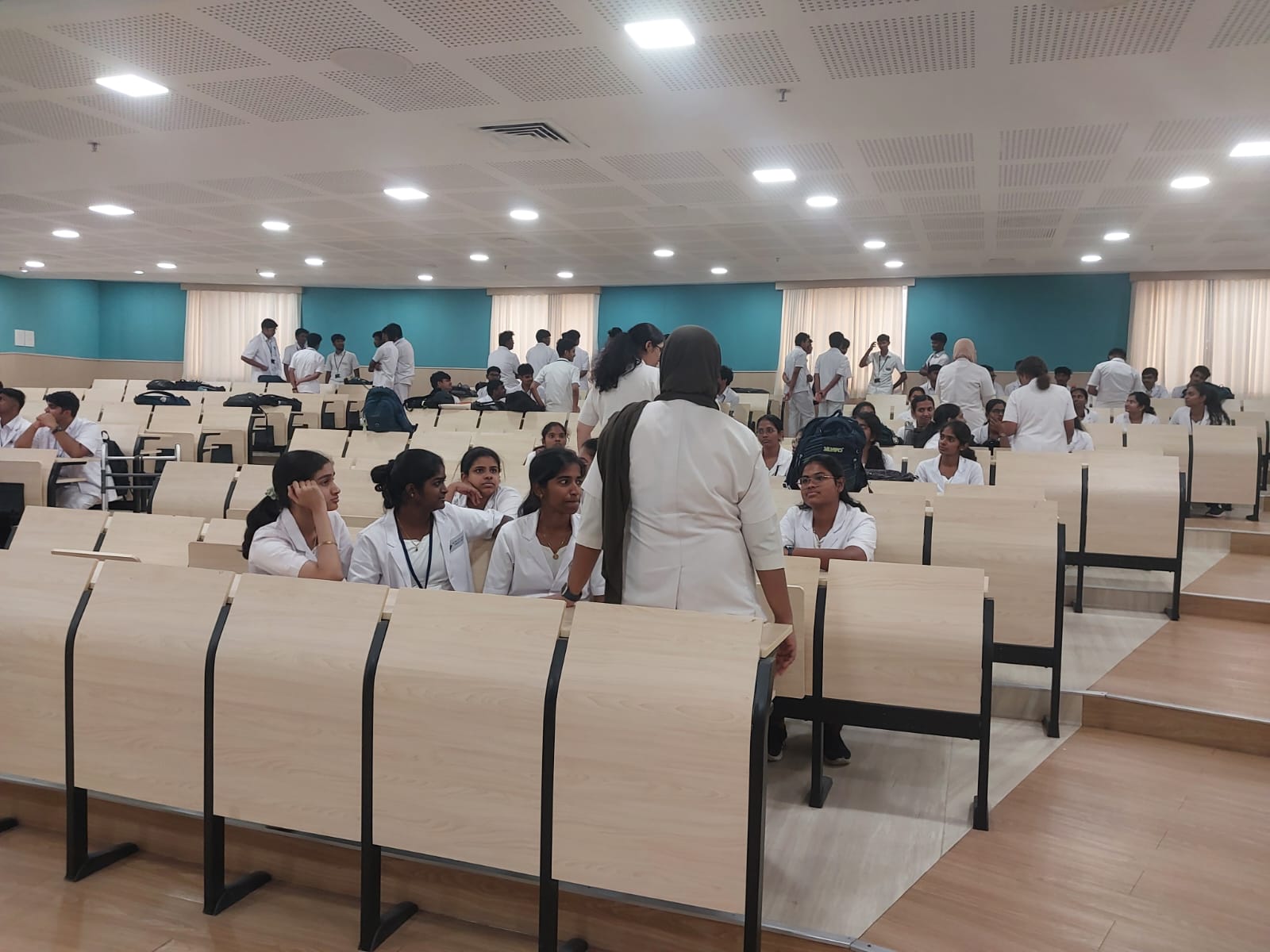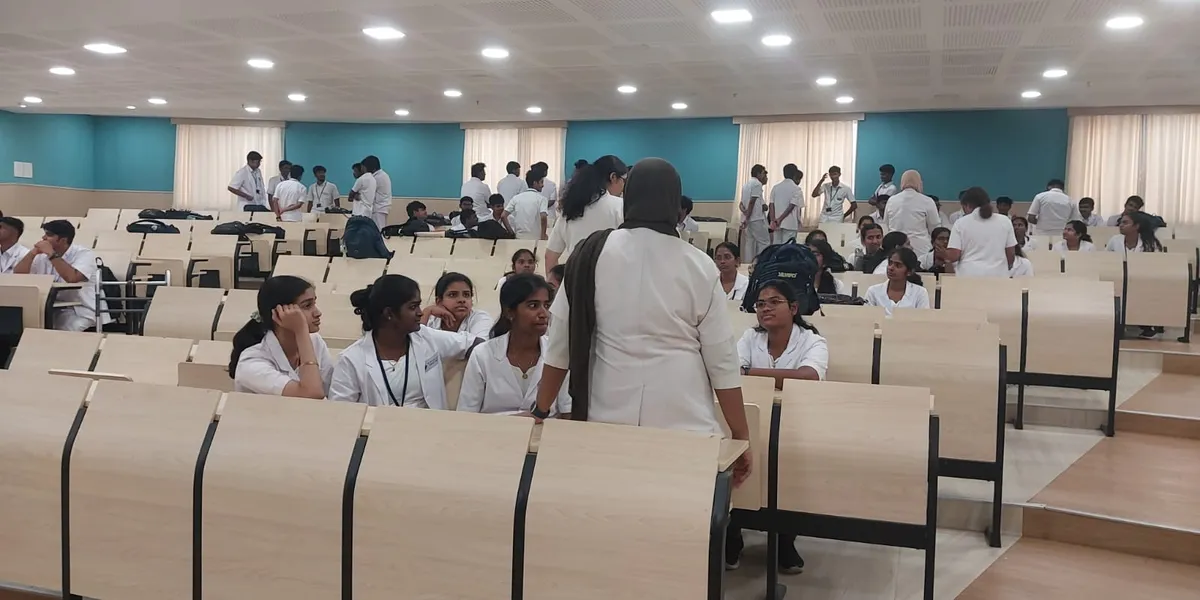

Often have we heard of the idiom ‘birds of a feather flock together’. And it is the perfect quote to describe medical students, sharing the same stress factors, the voluminous syllabus and the fun, slotted into different times but sharing the same calendar. One important ideology that has not only been introduced but also put into motion by the Student Wellness Centre of PSGIMSR is ‘Student Mentorship’.
This is a grouping that allows interaction between juniors or freshers in college to interact with someone older, someone who has gone through the motions of college and can now confidently guide and answer doubts that the juniors might have. This is especially important in a medical college setting, where the transition from school to college is drastic, with copious amounts of study materials, deadlines and record works and routine exams that ensure you keep up with the current topics being taught.
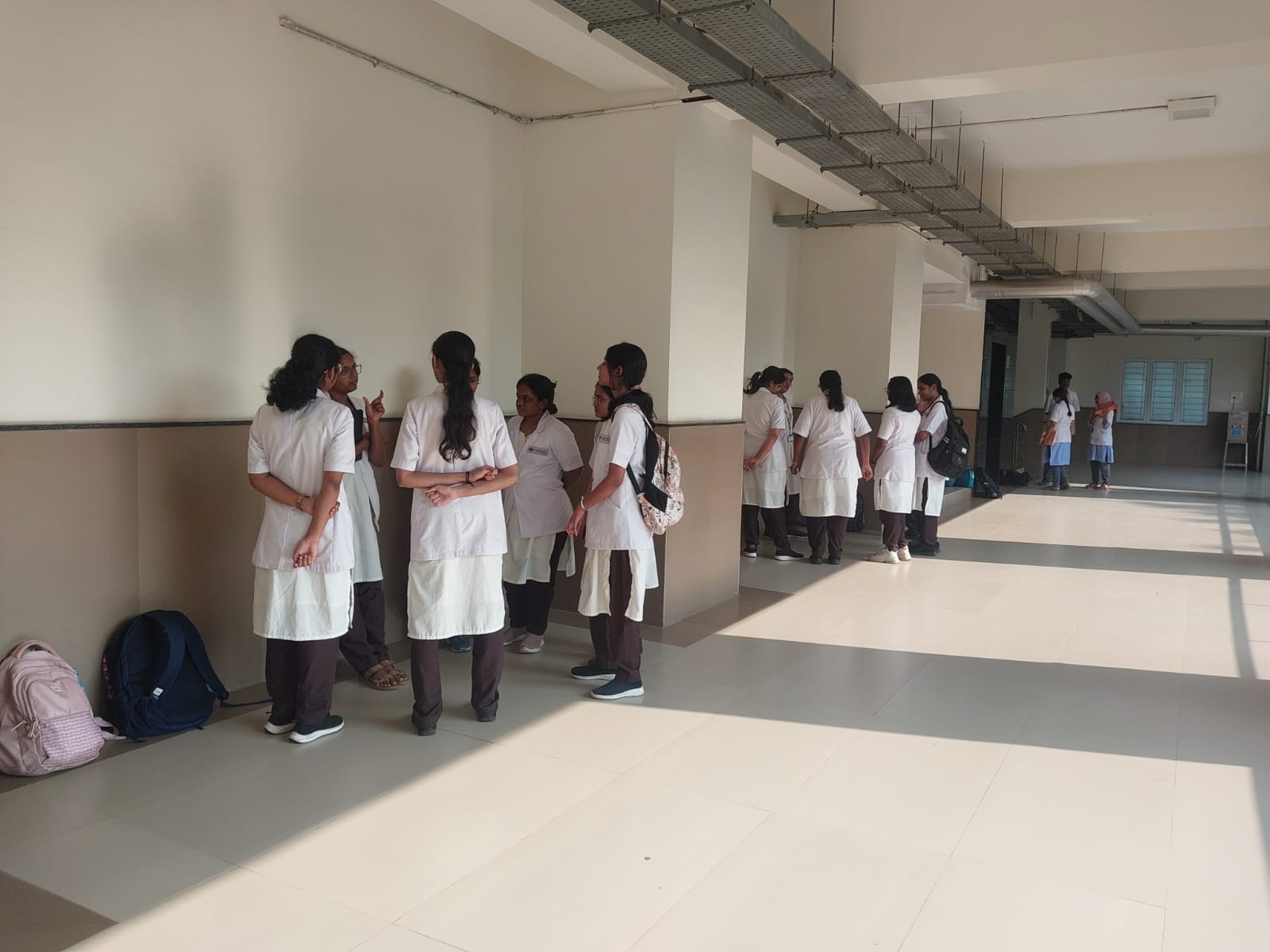
A student mentor allows the ease of approachability, the comfort that is found in familiarity and guidance by someone closer in age, who understands what another is going through and can offer useful tips and tricks to overcome the emotions and hardships- whether it is the overwhelming feeling of being unable to keep up with other peers, the feeling of loneliness during the transitional periods or even how to cover the syllabus for an upcoming exam.
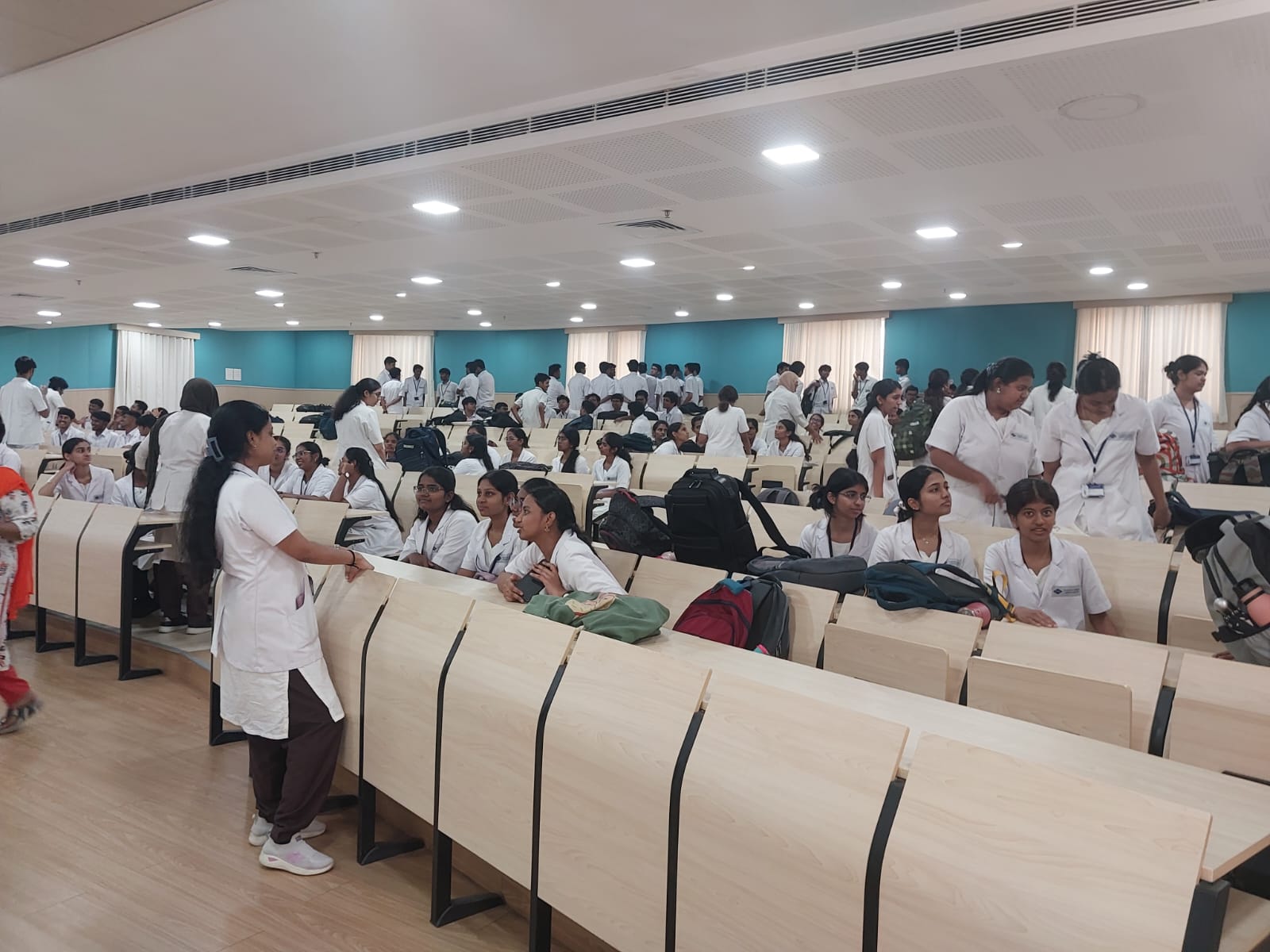
Student mentorship is also useful to the seniors who guide their juniors, allowing for a one on one interaction that promotes bidirectional learning to improve communication skills, leadership abilities and empathetic approach to a situation.
Mentors serve as accessible role models who students easily bond with over shared experiences. They bridge the gap between faculty and students, and may even be the first to notice academic difficulty, burnouts or disengagement and can direct students towards appropriate support services.
To put in a nutshell, student mentoring is not merely an academic support system but a relationship that transforms individual experiences into collective guidance, and ensures students achieve academic success, social integration, and a healthy equilibrium between medical training and personal well being.